Common Causes of Damage to Concrete Flatwork
People seeking damage to concrete flatwork repair often want to fix cracks, spalling, or uneven surfaces, and local contractors can provide expert solutions to restore durability.
Understanding the common causes of damage to concrete flatwork is essential for property owners seeking to maintain the integrity and appearance of their surfaces. Factors such as exposure to harsh weather conditions, improper installation, and regular wear and tear can lead to cracking, spalling, or uneven surfaces over time. Recognizing these issues early can help prevent more extensive damage and costly repairs, making it worthwhile to explore insights into what typically causes deterioration in flat concrete areas. Local contractors specializing in concrete flatwork repair are equipped to address these issues, offering solutions that restore durability and safety.
For property owners in the area, exploring the causes of damage to concrete flatwork is a practical step toward protecting investments in driveways, walkways, or patios. Environmental elements like freeze-thaw cycles or moisture infiltration often contribute to deterioration, while heavy loads or improper curing during installation can also weaken the surface. By understanding these common issues, property owners can better identify when repairs might be needed and seek assistance from experienced service providers who can evaluate and restore damaged concrete surfaces effectively.
- Driveway cracks - homeowners noticing uneven surfaces or fissures may need repair services, which local contractors approach by assessing the extent of damage and applying suitable patching or sealing techniques.
- Sidewalk deterioration - when sidewalks develop spalling or unevenness, local pros typically evaluate the cause and perform concrete leveling or replacement to restore safety and appearance.
- Patio surface damage - visible chipping or cracking in patio flatwork prompts local service providers to repair or replace sections to prevent further deterioration.
- Garage floor issues - cracks or unevenness in garage flatwork often require local contractors to perform crack injection or resurfacing to maintain structural integrity.
- Settlement or sinking - areas that settle or sink over time are addressed by local pros through soil stabilization and concrete lifting methods to restore proper flatness.
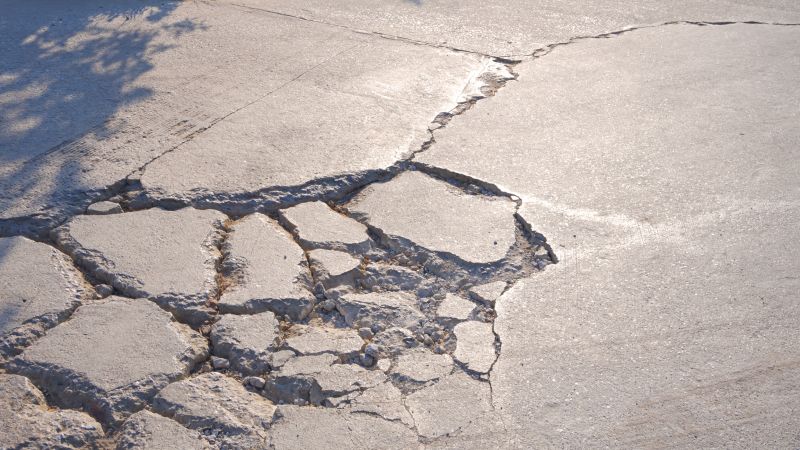
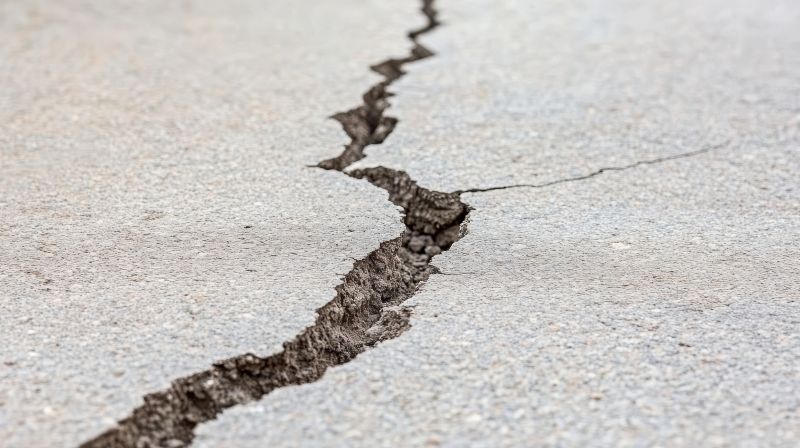
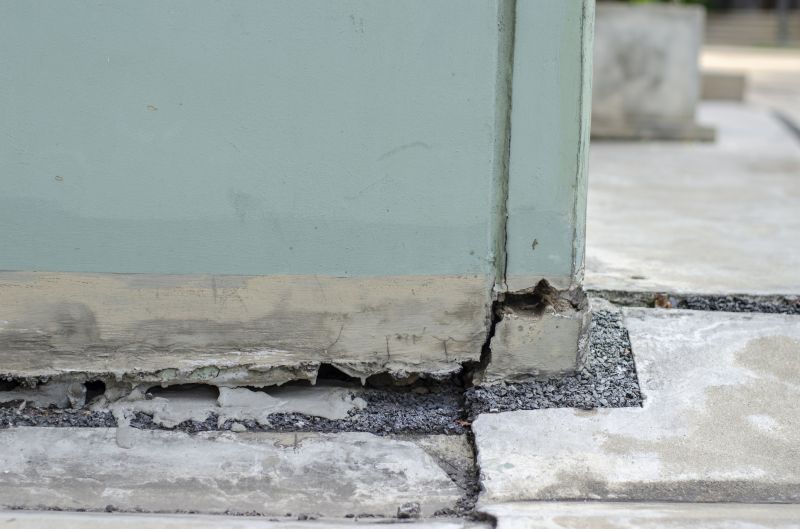
Understanding the common causes of damage to concrete flatwork is essential for homeowners who want to preserve the durability and appearance of their outdoor surfaces. Concrete flatwork, such as driveways, walkways, patios, and garage floors, is exposed to various elements and stresses that can lead to deterioration over time. When searching for information on this topic, many people are looking to identify what factors might be contributing to cracks, spalling, or uneven surfaces in their concrete installations. Recognizing these causes helps homeowners plan appropriate repairs and maintenance, and it highlights the importance of working with local service providers who specialize in concrete flatwork repair.
One major factor behind damage to concrete flatwork is improper installation or subgrade preparation. If the ground beneath the concrete is not adequately compacted or prepared, it can settle unevenly, causing cracks and shifting over time. Additionally, poor drainage around the flatwork can lead to water pooling or infiltrating the concrete, which accelerates deterioration. Local contractors experienced in flatwork repair often address these underlying issues during repairs, ensuring that the surface is properly supported and protected from future damage. Proper installation practices are crucial to preventing early failure and extending the lifespan of concrete surfaces.
Environmental conditions also play a significant role in damaging concrete flatwork. Exposure to freeze-thaw cycles, especially in colder climates, can cause the concrete to crack and spall as water trapped inside expands and contracts. Heavy rainfall or persistent moisture can weaken the concrete structure, leading to erosion or surface deterioration. In addition, exposure to de-icing salts and chemicals used on roads and driveways can accelerate corrosion of embedded reinforcement or cause surface scaling. Local service providers are familiar with these environmental challenges and can recommend repairs that reinforce the concrete against ongoing exposure, helping to mitigate future damage.
Finally, regular wear and tear from daily use contribute to the deterioration of concrete flatwork. Heavy vehicles, frequent foot traffic, and furniture or equipment placed on the surface can cause surface abrasions, cracks, or chipping. Over time, these issues can compromise the integrity of the flatwork, making repairs necessary. Addressing these problems early with the help of local repair specialists can prevent more extensive damage and restore the flatwork’s functionality. By understanding the common causes of damage, homeowners can better maintain their concrete surfaces and ensure that repairs are handled by experienced local contractors who understand the specific needs of their property.
Paving projects - skills in preparing, pouring, and finishing concrete are essential for both flatwork repair and other paving applications like driveways and walkways.
Garage floor installations - understanding slab leveling and crack repair techniques applies to addressing damage caused by heavy loads and ground movement.
Patio and outdoor living space construction - planning and executing concrete flatwork for patios shares similar repair methods for surface cracks and surface deterioration issues.
Foundation repair services - expertise in soil stabilization and slab leveling overlaps with repairing damage from ground settlement and shifting concrete.
Sidewalk and curb replacement - involves similar planning and tools used to fix or replace damaged concrete flatwork caused by weather or heavy traffic.
Industrial flooring installation - requires knowledge of surface preparation and crack mitigation techniques applicable to repairing damage in flat concrete surfaces.
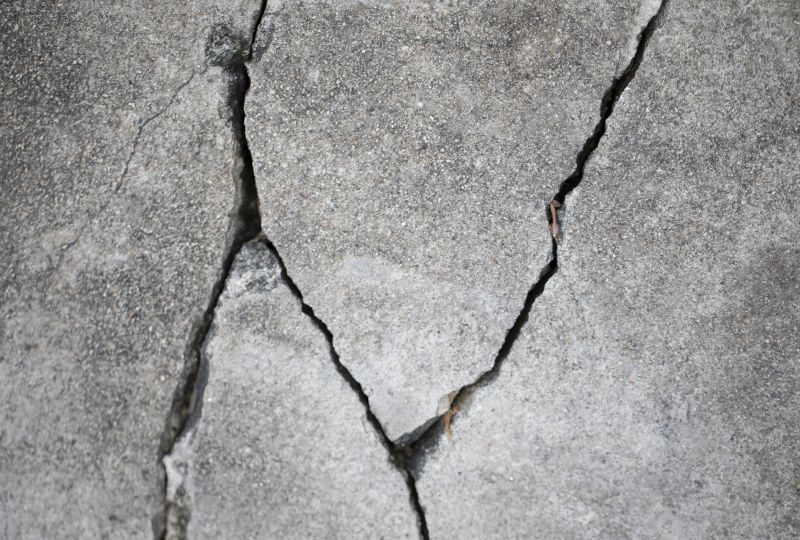
When comparing local contractors for concrete flatwork repair, it is important to consider their experience with similar projects. A contractor who has handled repairs related to common causes of damage to concrete flatwork, such as cracking, spalling, or uneven settling, is likely to be more familiar with the specific challenges these issues present. This experience can contribute to more effective solutions and long-lasting results. Homeowners should inquire about the types of projects a service provider has completed and seek evidence of their familiarity with repairing damage caused by factors like improper installation, exposure to moisture, or ground movement.
Clear written expectations are essential when evaluating potential service providers. Reputable local contractors should be able to provide detailed descriptions of the scope of work, materials to be used, and the steps involved in the repair process. Having this information in writing helps ensure that both parties share a common understanding of what the repair will entail. It also allows homeowners to compare proposals more effectively and assess whether a contractor’s approach aligns with their needs, especially when addressing damage caused by specific issues such as freeze-thaw cycles or heavy loads that stress the concrete.
Reputable references and good communication are valuable indicators of a contractor’s reliability and professionalism. Homeowners should ask for references from previous clients who had similar repairs done, particularly those involving common causes of damage to concrete flatwork. These references can provide insights into the contractor’s workmanship, attention to detail, and ability to resolve issues effectively. Additionally, a service provider who communicates clearly and promptly demonstrates a commitment to customer service, making the process of evaluating and working with them more straightforward. Good communication ensures that questions about damage causes and repair options are answered thoroughly, helping homeowners make informed decisions about their flatwork repairs.
Property owners often search for common causes of damage to concrete flatwork when they are planning practical projects around their homes and businesses. Local pros provide Damage to Concrete Flatwork Repair services for everyday jobs and straightforward project options.
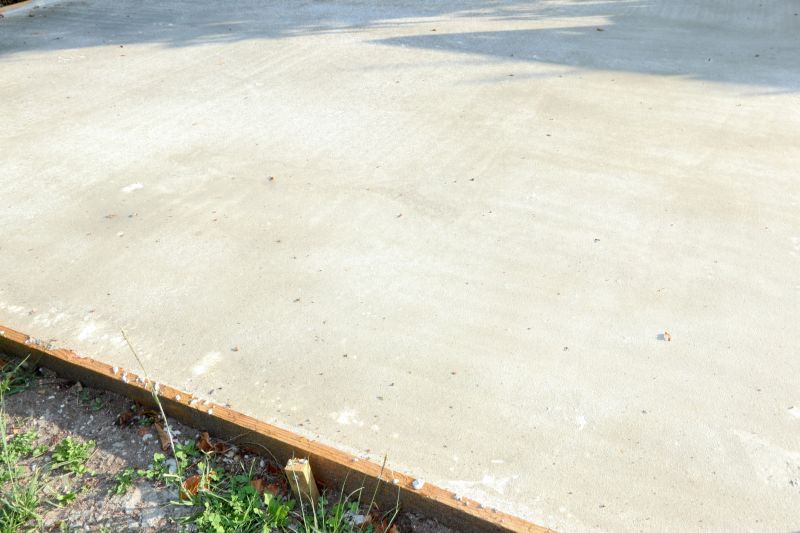
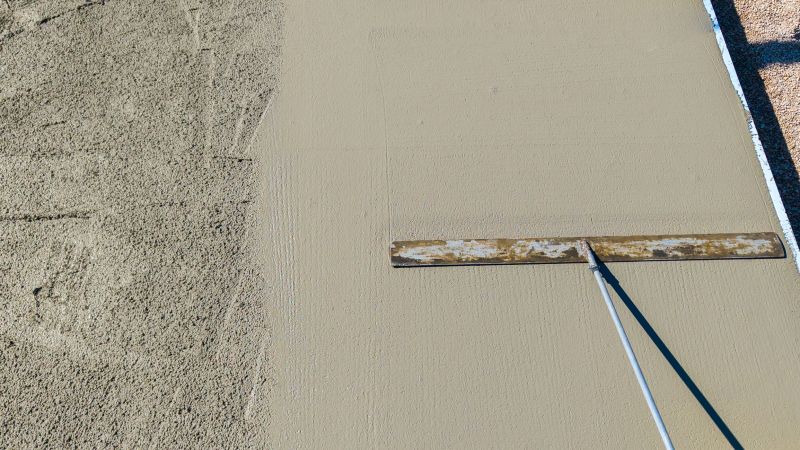
Concrete flatwork can sustain damage from various everyday project situations that property owners often encounter. Heavy equipment, such as forklifts or delivery trucks, can cause cracks or surface deterioration if they are driven over the flat surfaces frequently. Additionally, improper installation or inadequate curing during initial pouring can lead to premature cracking or uneven settling over time. Property owners might notice issues like surface scaling, spalling, or cracking, prompting them to seek repair services from local contractors experienced in addressing common causes of damage to concrete flatwork.
Environmental factors also play a significant role in the deterioration of flat concrete surfaces. Exposure to frequent freeze-thaw cycles, especially in areas with cold winters, can cause the concrete to expand and contract, resulting in cracks or surface scaling. Water pooling due to poor drainage or uneven grading can weaken the concrete over time, leading to erosion or crumbling edges. These typical issues often motivate property owners to connect with local service providers who specialize in repairing damage caused by these common environmental and project-related factors, helping restore the integrity and appearance of their concrete flatwork.
What are common causes of damage to concrete flatwork? Common causes include freeze-thaw cycles, improper installation, heavy loads, and exposure to chemicals or moisture, which can all lead to cracking, spalling, or shifting. Local contractors experienced in concrete repair can assess and address these issues effectively.
How does freeze-thaw damage affect concrete flatwork? Repeated freezing and thawing cause water within the concrete to expand and contract, leading to cracks and surface deterioration. Repair specialists can help restore the integrity of affected flatwork and prevent further damage.
Can heavy loads cause damage to concrete flatwork? Yes, excessive weight from vehicles or equipment can cause cracking, sinking, or surface deformation. Skilled service providers can reinforce or repair flatwork to better withstand heavy use.
What role does improper installation play in damaging concrete flatwork? Poorly mixed or poured concrete, inadequate curing, and insufficient reinforcement can lead to early cracking and surface failure. Experienced contractors can identify installation flaws and perform necessary repairs.
How do exposure to chemicals or moisture damage concrete flatwork? Chemicals like de-icing salts or excessive moisture can cause surface deterioration and corrosion of reinforcement. Local repair experts can treat and restore damaged concrete to extend its lifespan.
Heavy loads and traffic can cause cracking and surface deterioration; property owners can discuss weight limits and traffic management with local contractors to prevent damage.
Poor drainage and standing water contribute to erosion and weakening; consulting local pros about proper slope and drainage solutions helps protect flatwork.
Exposure to freeze-thaw cycles can lead to cracking; local service providers can recommend suitable materials and repair methods to withstand temperature changes.
Lack of proper joint placement may result in uncontrolled cracking; property owners can work with local contractors to plan and install joints correctly during installation or repair.
If you are thinking about common causes of damage to concrete flatwork for a property, this guide is meant to help you understand this topic, the typical project types, and how different options might fit your plans.
When you are ready, you can use the quote form on this page to share a few details about your project. From there, local pros can review the basics and follow up with options that match what you have in mind.